
Most plumbing disasters don’t happen overnight. Instead, they are the result of small, daily habits that slowly corrode pipes, stress water lines, and create stubborn blockages. By eliminating these seven common mistakes, you can avoid costly emergency service calls and extend the lifespan of your fixtures.
1. Flushing “Flushable” Wipes
Despite what product packaging claims, “flushable” wipes do not break down like toilet paper. They stay intact, catch on pipe imperfections, and bind with oils to form massive clogs. The only things that should ever go down a toilet are water, human waste, and standard toilet paper.
2. Pouring Cooking Oil and Grease Down the Sink
Grease enters the drain as a warm liquid, but as it cools inside your underground pipes, it solidifies into a thick, waxy coating. Over time, food particles stick to this layer until the pipe is completely closed off. Always pour grease into a disposable container and throw it in the trash.
3. Relying on Liquid Chemical Drain Openers
Chemical drain cleaners contain harsh acids and caustic chemicals that generate intense heat. While they might burn a small hole through a clog, they also eat away at PVC glue, soften plastic pipes, and corrode cast iron and copper. Use a plunger, a drain snake, or call a professional instead.
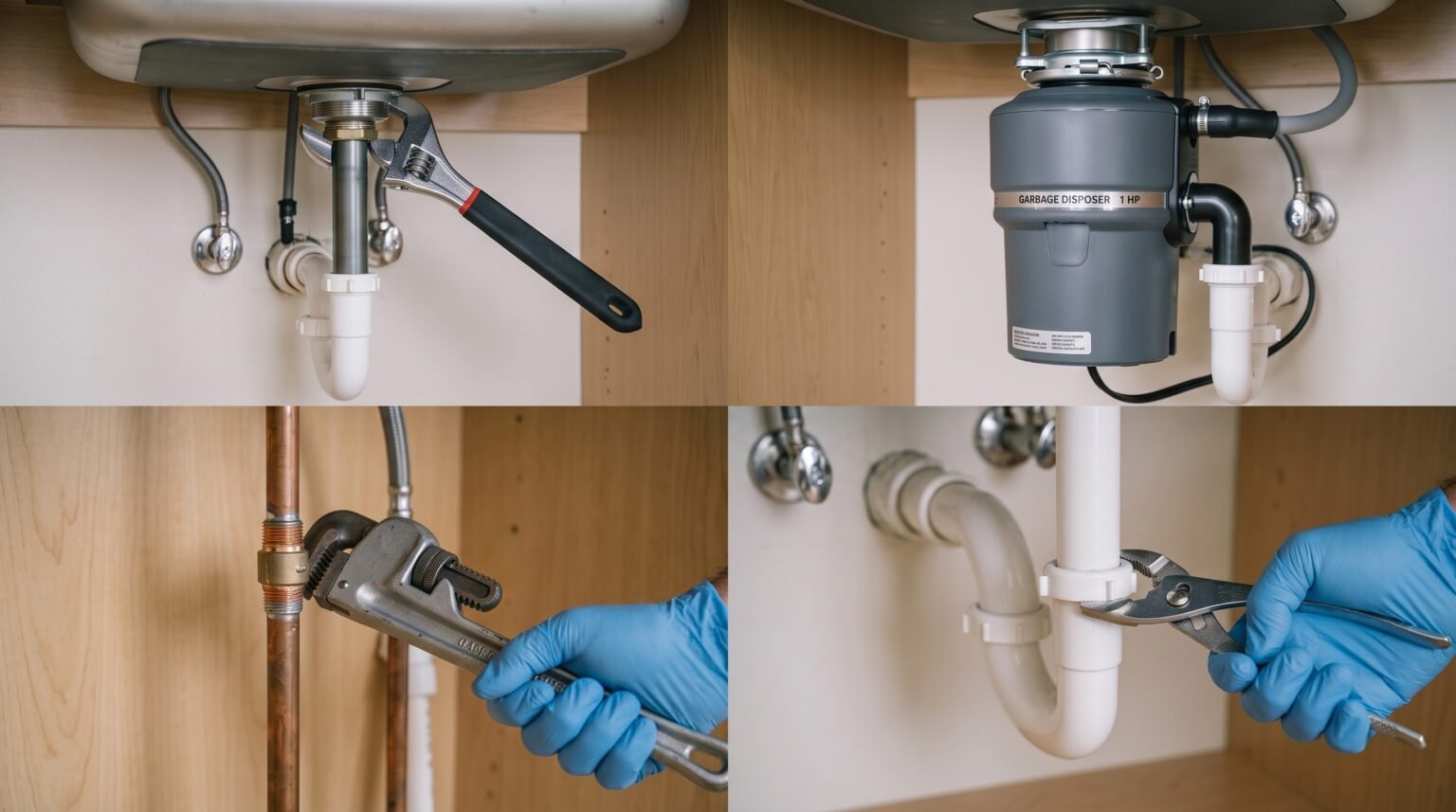
4. Using Your Garbage Disposal as a Trash Can
Garbage disposals are designed for light food residue, not full plates of scraps. Avoid putting these items down the disposal:
-
Coffee grounds (pack together like wet sand)
-
Eggshells (membrane sticks to pipe walls)
-
Fibrous vegetables like celery and corn husks (wrap around the blades)
-
Pasta and rice (expand with water inside the trap)
5. Ignoring Minor Leaks and Running Toilets
A dripping faucet or a slowly running toilet may seem harmless, but a single leaking flapper can waste over 200 gallons of water a day. Constant drips also degrade valve seats, corrode pipe fittings, and dramatically increase your monthly water bill.
6. Hanging Heavy Organizers on Shower Heads
Hanging loaded caddies on your shower pipe puts continuous downward leverage on the threaded connection inside the wall. Over time, this loosens the internal brass elbow and can cause hidden water leaks inside the wall cavity.
7. Over-Tightening Faucets and Shut-Off Valves
Cranking down too hard on faucet handles or shut-off valves strips the internal threads, cracks rubber gaskets, and damages ceramic cartridges. Hand-tight plus a gentle quarter-turn is all that is needed to create a water-tight seal.
Keep Your Plumbing in Peak Condition
Catching minor wear and tear early prevents major flood damage down the road. If your drains are slow, your water pressure has dropped, or you suspect a hidden leak, schedule an inspection with our licensed plumbing team today.