
Blogs
Tankless vs. Traditional Water Heaters: Which Is Right for Your Home?
When your water heater begins to fail, you face an important decision: replace it with a traditional tank-style unit or upgrade to a modern tankless system? Both options have distinct advantages depending on your household size, budget, and daily hot water usage.
Traditional Tank Water Heaters: Reliable and Budget-Friendly
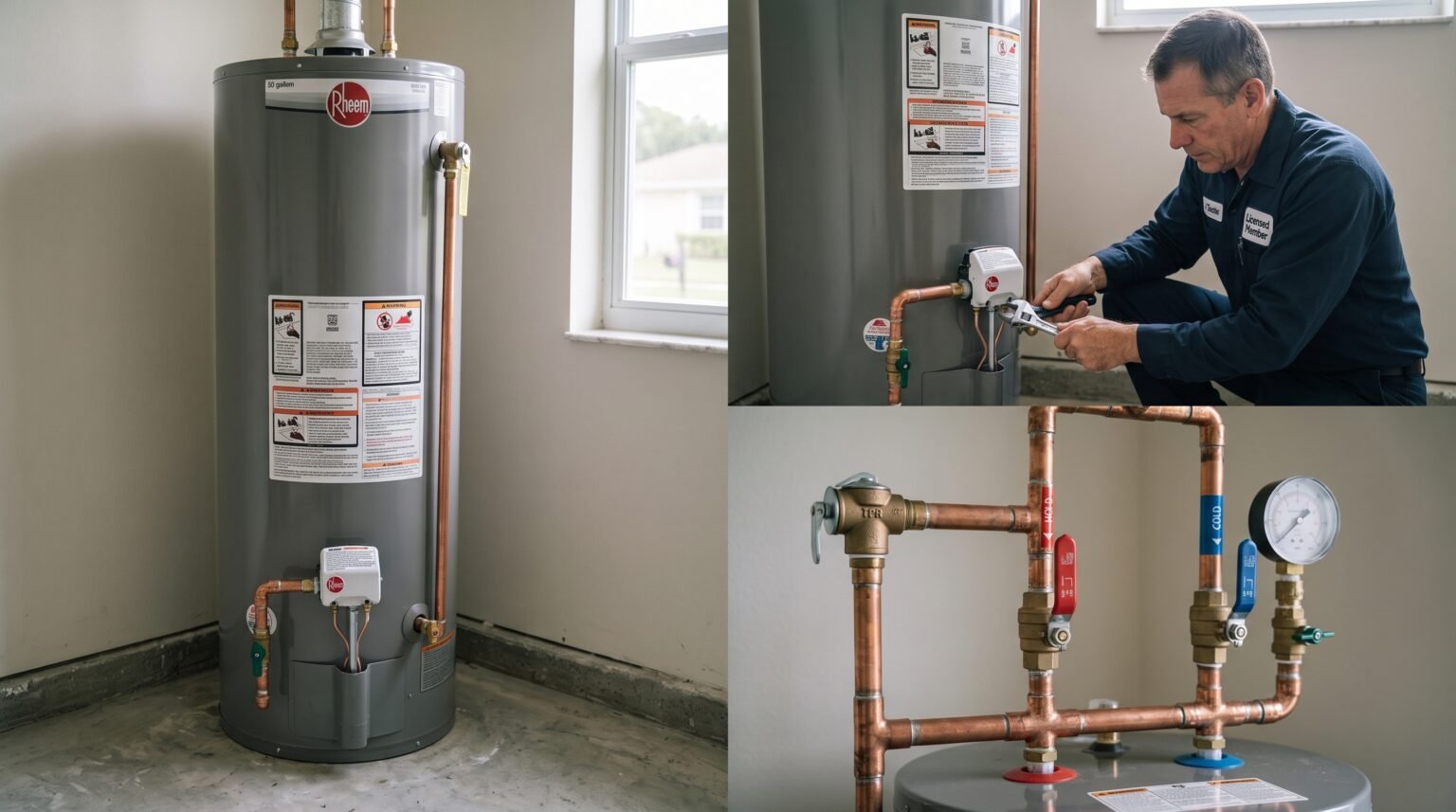
Standard storage water heaters keep 40 to 80 gallons of water continuously heated in an insulated tank.
-
Lower Upfront Cost: Traditional units have a significantly lower equipment and installation cost compared to tankless models.
-
Simpler Installation: Replacing an existing tank with a similar model rarely requires major modifications to gas lines or electrical panels.
-
Straightforward Repairs: Parts are widely available and repairs are generally quick and economical.
The Drawback: Once the tank runs out of hot water, you must wait 20 to 40 minutes for the reserve to reheat. They also consume energy continuously through “standby heat loss.”
Tankless Water Heaters: Endless Hot Water and Energy Efficiency
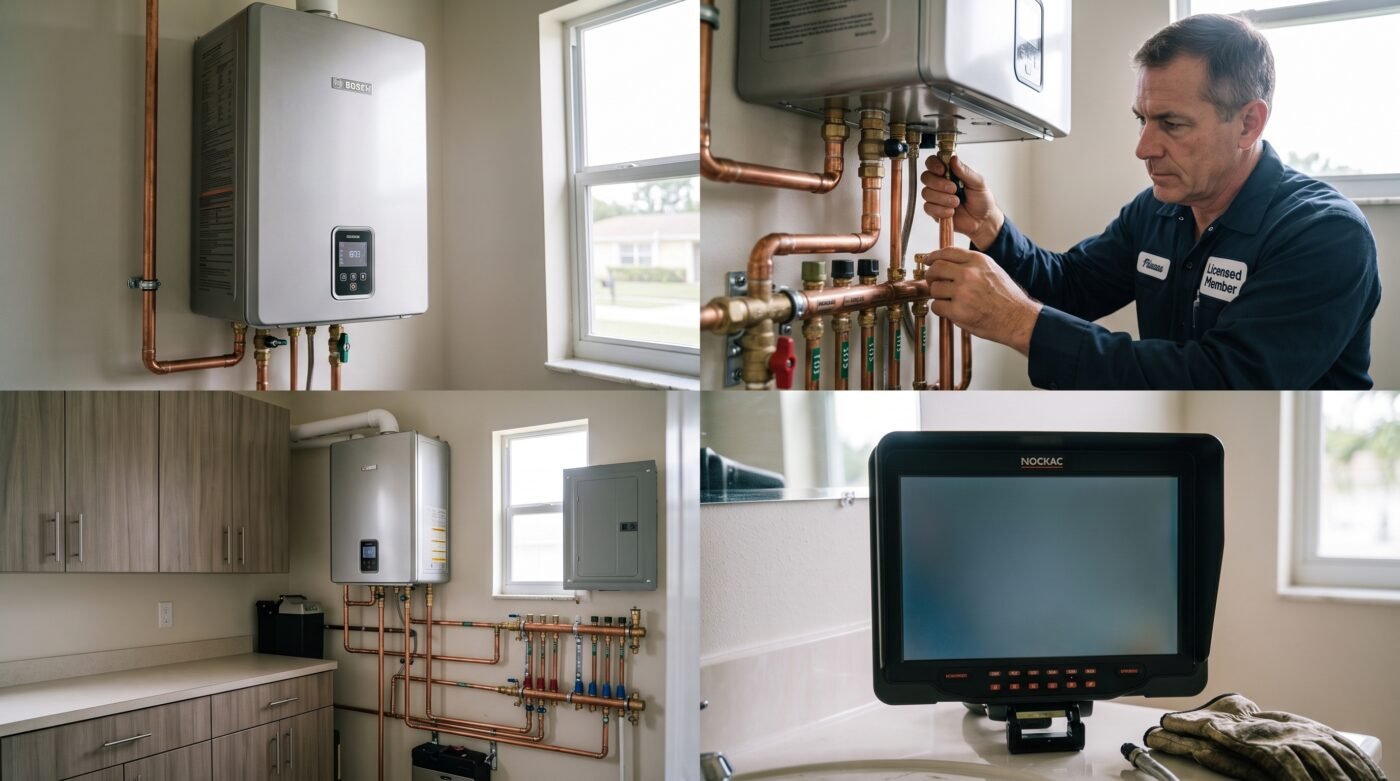
Tankless units heat water on demand using high-powered gas burners or electric heating elements as water flows through the unit.
-
Endless Hot Water: You never run out of hot water, even with back-to-back showers and laundry running simultaneously.
-
Energy Savings: Because they only heat water when a faucet is on, tankless systems can reduce water heating bills by 20% to 30%.
-
Space-Saving Footprint: Tankless units are compact and mount directly to the wall, freeing up valuable storage or utility room floor space.
-
Longer Lifespan: While tank units typically last 8 to 12 years, tankless systems often last 20+ years with regular maintenance.
The Drawback: The initial purchase and installation cost is higher, especially if your gas line or electrical service requires an upgrade to handle the unit’s peak demand.
Quick Comparison
| Feature | Traditional Tank | Tankless (On-Demand) |
| Upfront Cost | Lower | Moderate to High |
| Hot Water Supply | Limited to tank capacity | Endless |
| Lifespan | 8–12 Years | 20+ Years |
| Space Required | Large footprint (floor) | Compact (wall-mounted) |
| Energy Efficiency | Standard | High (No standby loss) |
Which Should You Choose?
-
Choose a traditional tank if upfront budget is your primary concern and your household has predictable hot water needs.
-
Choose a tankless system if you have a large family, frequently run out of hot water, or want to maximize home efficiency and longevity.
Considering a Water Heater Upgrade? Call our certified technicians today to evaluate your home and receive a transparent, flat-rate estimate.
